A Rainy Afternoon, One Film and No Double Feature
Plan a rainy-afternoon film around the company, mood and attention you have, so one well-chosen story feels satisfying without turning the day into a project.
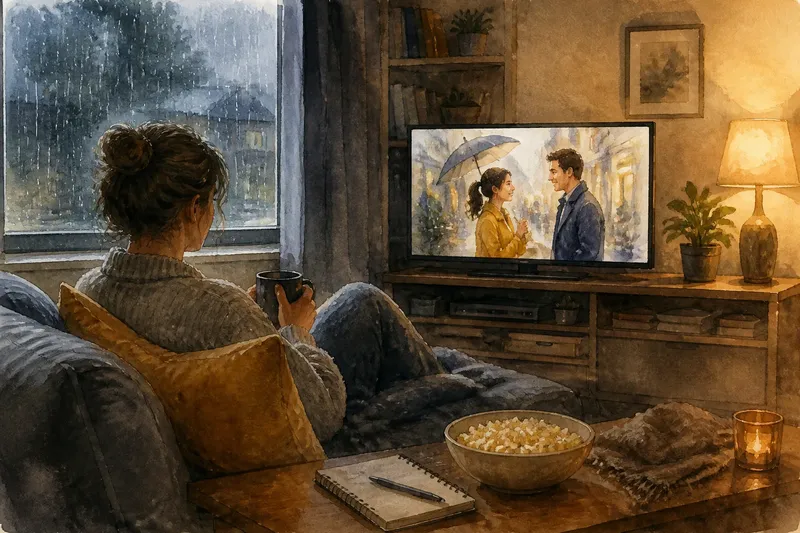
The common mistake with a rainy-afternoon film is choosing by weather alone: a cozy setting does not make every slow drama or bleak thriller feel right. The cost is spending the afternoon with a story that asks for a different mood or level of attention than you have. Choose a rainy-afternoon film by the experience you want, then let the rain stay in the background.
What kind of afternoon do you want?
Start with the feeling you want during the film, not a genre label. Do you want to laugh, follow a puzzle, feel moved, or watch something gentle while your attention wanders? These are different viewing goals, even when two films share the same setting or subject.
Think about your energy as well. A layered story may suit you if you feel alert and want to follow details. If you are tired, a familiar comedy or a clear, self-contained plot may be easier to enjoy. A quieter film can be absorbing, but its slower pace may feel frustrating if you want lively momentum.
Say you have an invented, hypothetical rainy afternoon, feel tired after lunch, and want company without a heavy mood. You decide against a dense mystery, choose a light comedy with a straightforward premise, and expect to follow the jokes without working to track several plot threads.
How should attention shape your choice?
Consider what else is likely to compete for your attention. A film with many characters, time jumps, or subtle visual clues can be hard to follow if you expect interruptions. A more direct story may be a better fit while cooking, chatting, or keeping an eye on a pet.
Subtitles, quiet dialogue, and a complex soundtrack also affect how closely you need to watch or listen. If you are sharing the room with someone who will be moving around, choose a film whose important details are not easy to miss. If you want full immersion, pick a quieter stretch of the afternoon and put distracting devices aside.
Use the synopsis to check the premise and tone. A trailer can help you judge pace and sound, but skip it if you prefer to encounter the story without advance scenes. A content note can help you avoid themes you do not want in your afternoon.
Will this rainy-afternoon film suit your company?
Watching alone gives you room to choose a personal favorite or stop when your mood changes. With a partner, friend, or family member, consider whether you want a shared laugh, a conversation afterward, or simply a story that is easy to enjoy together.
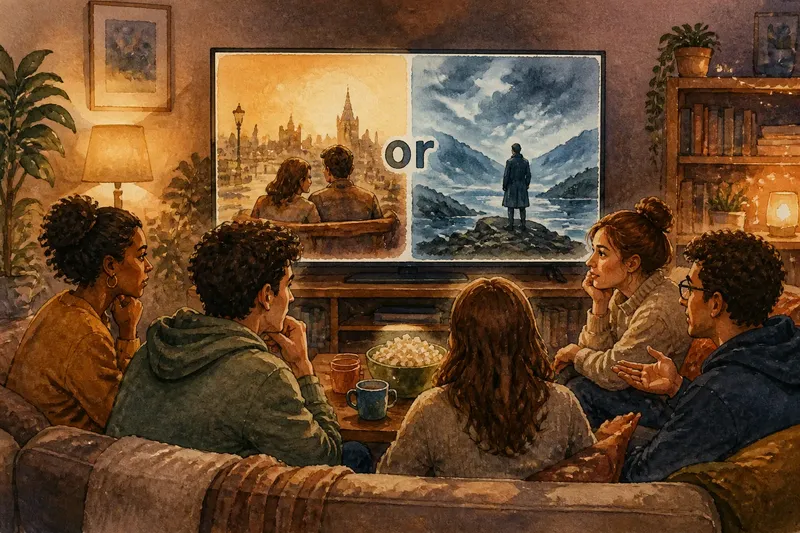
For a group with mixed tastes, a clear premise and accessible tone can reduce debate. For two people who enjoy discussing films, a more ambiguous story may be welcome. If one viewer dislikes frightening scenes or another needs subtitles, check those preferences before selecting a title.
Make the choice together with a simple question: “Do we want something light, tense, or thoughtful?” That gives everyone a way to answer without turning the selection into a long negotiation.
What should you check before pressing play?
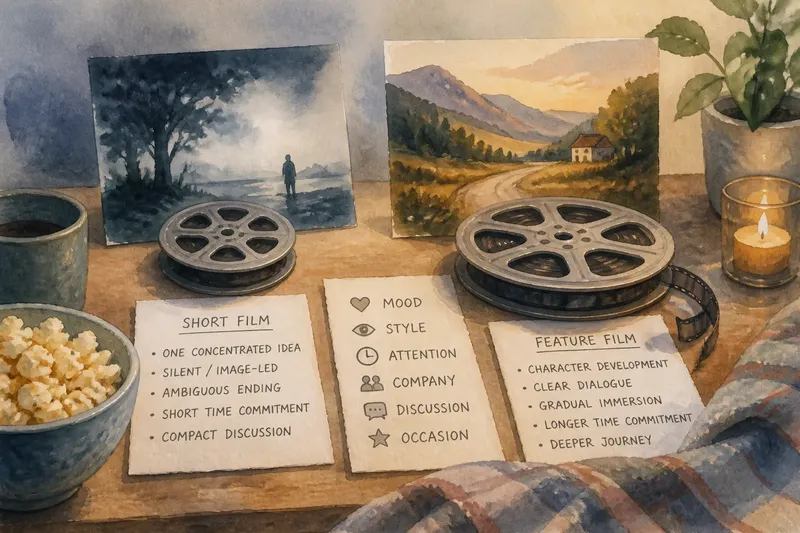
A few concrete checks can reveal whether a title fits the afternoon. Each result points to a useful choice, rather than a rule that every viewer must follow.
- Check your energy: if you feel alert and want a challenge, choose a layered story; if you feel drained, choose a clearer plot or familiar favorite.
- Check the mood you want: if you want comfort, choose a gentle comedy or warm drama; if you want tension, choose a mystery or thriller instead.
- Check who is watching: if everyone agrees on the tone, proceed with that choice; if preferences differ, choose a film with a direct premise or take turns selecting.
- Check likely interruptions: if you expect to step away or chat, choose a story that is easy to rejoin; if you can give it full attention, a detail-rich film may suit you.
- Check dialogue and subtitles: if the room will be noisy, choose a film with dialogue you can hear clearly or move to a quieter space; if subtitles are needed, make sure viewers are comfortable reading them.
- Check content notes: if a listed theme would spoil the mood, choose another title; if the themes feel acceptable, keep the film under consideration.
How can you tell whether the choice is working?
Give the opening a little attention, then notice your response. Are you curious about what happens, comfortable with the tone, and able to follow the story? Or are you repeatedly checking your phone, feeling unsettled, or wishing for a different pace?
If the film is not working, name the mismatch. You may want more humor, less intensity, or a story that asks less of you. Switch to a better fit, or turn the screen off and choose a quieter activity. The point is to respond to your actual mood, not to prove you can finish a film.
Imagine an invented, hypothetical viewer who starts a suspenseful film expecting a light mystery. After the opening, the story feels harsher than expected and the viewer is no longer curious. They stop, check a short synopsis for a gentler option, and switch to a warm comedy; the observable result is a film whose tone better matches the afternoon, with no need to continue the first choice.
What questions help you choose a rainy-afternoon film?
Should I choose a familiar film or a new one?
Choose a familiar film if comfort matters more than surprise or your attention is divided. Pick a new title if you feel curious and have enough focus to settle into an unfamiliar story.
Is a serious film a bad fit for a rainy day?
Not necessarily; the useful question is whether you want its emotional weight today. Check the synopsis or content notes if you are unsure, then choose a lighter alternative if the themes feel unwelcome.
What if everyone wants a different genre?
Agree on the mood or viewing experience rather than arguing over genre names. A brisk, accessible story may bridge different preferences; if it does not, take turns choosing on different occasions.
How do you keep the plan simple?
Pick one title that suits your mood, attention, and company. Settle the room in a way that supports the kind of viewing you want: dim the lamp if glare distracts you, keep a drink nearby if you like one, and set your phone aside if you want to follow every detail.
A rainy-afternoon film does not need to become a carefully staged event. The most useful final check is whether the choice still sounds appealing just before you press play; if it does, let the weather provide the setting and give the story your attention on its own terms.